Photographs of Individuals_protection outside of FaceBook
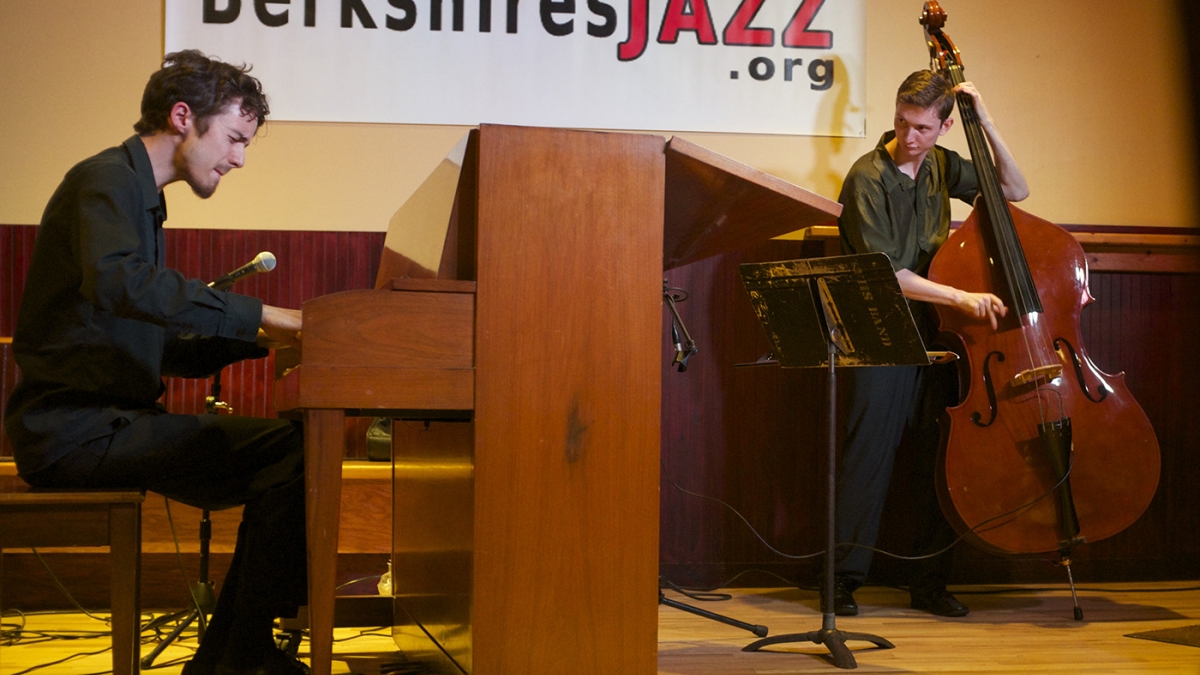
:Miro Sprague © Robert Floyd, 2014
Click! We capture a photo of a stranger. How do we use it. What's Legal? What's moral? What's OK?
Dangers arise from an unauthorized use that relates to an individual's right to privacy and publicity. Individuals who lead public lives, such as public officials and celebrities, have restricted rights of privacy, but they usually have broader rights of publicity. State laws govern the right of privacy and the right of publicity. Therefore, the right of privacy and publicity law and its interpretation will vary from state to state. However, our First Amendment provides publication of an individual's image for newsworthy purposes is permissible.
- Right to privacy laws is the protection of an individual from the disclosure of 'private facts.'
- General principles are that one who publicizes a matter concerning the private life of another is subject to liability for invasion of privacy if the matter publicized is of a kind that would be highly offensive to a reasonable person and is not of legitimate concern to the public.
- The right of publicity provides that an individual has the right to control the commercial use of their name, likeness or identity.
- The right of privacy protects an individual from the disclosure of embarrassing facts.
- The right of publicity protects the individual from financial loss from an unauthorized commercial use of their name or likeness.
- As a general rule the right of privacy will only apply to a living person while the right of publicity may also apply to a deceased person.
Here are some quick guidelines for us all now:
- There are many nuances to the right of privacy and publicity laws so...always obtain a written release from any individual that would be recognized in a photograph.
- Obtain a release even if the individual's image is initially to be used for a newsworthy purpose so you can use the individual's photograph for other trade or commercial uses later.
- While photographing please remember if your subject is a minor, you will need parental or guardian consent. Make certain you caption the photograph correctly.
- There is a huge difference between an indoor, private property (tresspass,) and outdoor, rights to privacy. it's complicated...

My assignment...photograph the opening day for the very first Maggie Moo's in Manhattan. Oh what fun!!! While I was inside, I noticed adorable children sitting alone playing with their ice cream. I asked the mother to sign a release. Maggie Moo's wasn't intertested yet I may legally use images now legally. Will I? No way. Morally I do not feel comfortable. The blonde? Oh, yes, I have her phone number and...oh well, maybe another blog post.
5. Releases are generally not required from people who are identifiable in a photograph of a street or public place, provided that the photograph is reasonably related to the subject matter and the identifiable people are not the focus of the photograph. No releases needed here outside at Maggie Moo's.
So play with your camera. I share with my advanced photography students and one-on-one participants to carry pre-printed Model Releases on 3.5" X 5" card stock. Yes, translate them into different languages as we live in a deliciously diverse world. Respect other cutures.
Ahh...Miro Sprague? I was on assignment. I had the club owner introduce me as is saw Miro was most ontroverted. I explained. Miro agreed. case closed.
About the Author: Robert Floyd is a naturalist, photojournalist, and photo gallery owner. You can usually find him, when he’s not in The Robert Floyd Photo Gallery, leading field trips from late morning to early evening in the beautiful Pioneer Valley, Cape Cod, Cape May, Newport, Manhattan, and Canada. Follow him here and on FACEBOOK.