Julius Lester: The Last Exhibit
Nov 6, 2024 - Nov 8, 2024 | Themes: Nature, Photo Journalism, Travel
Our final exhibit of Julius Lester's artwork.
JULIUS LESTER, 1964, 1966
I've been spending a lot of time trying to understand my life. Because I have lived it does not mean that I know what it has been. Because I have written and published a lot, my public life is well-documented. But I have also kept a journal since I was 17, though there are many years I didn't, but I also wrote journal-like letters to people I trusted with my soul. I've been rereading the journals and journal-letters, and what is becoming clear to me is that the trajectory of my life has been to be faithful to my S(s)elf as I understood that s(S)elf to be.
When the civil rights movement started in Nashville in 1960 with the sit-in movement, I did not participate because my father, a local minister, feared that my doing so would put his and my mother's lives in danger. But there was another reason I did not. I am not physically courageous. I'm certain that most people who participated in the sit-ins and subsequent demonstrations did not feel especially courageous when they were confronted with violence from the police and any white person who wanted to join in. They were willing to act in spite of their fears. I was not.
However, I knew that spiritually and psychologically, I will plunge into the unknown without knowing what I am doing and where it will lead or whether I am making a mistake I will regret for the rest of my life. And, I knew also that I was a writer, though I had not published anything. But being a writer and being published are not the same, as there are many people who are not writers who get books published every month.
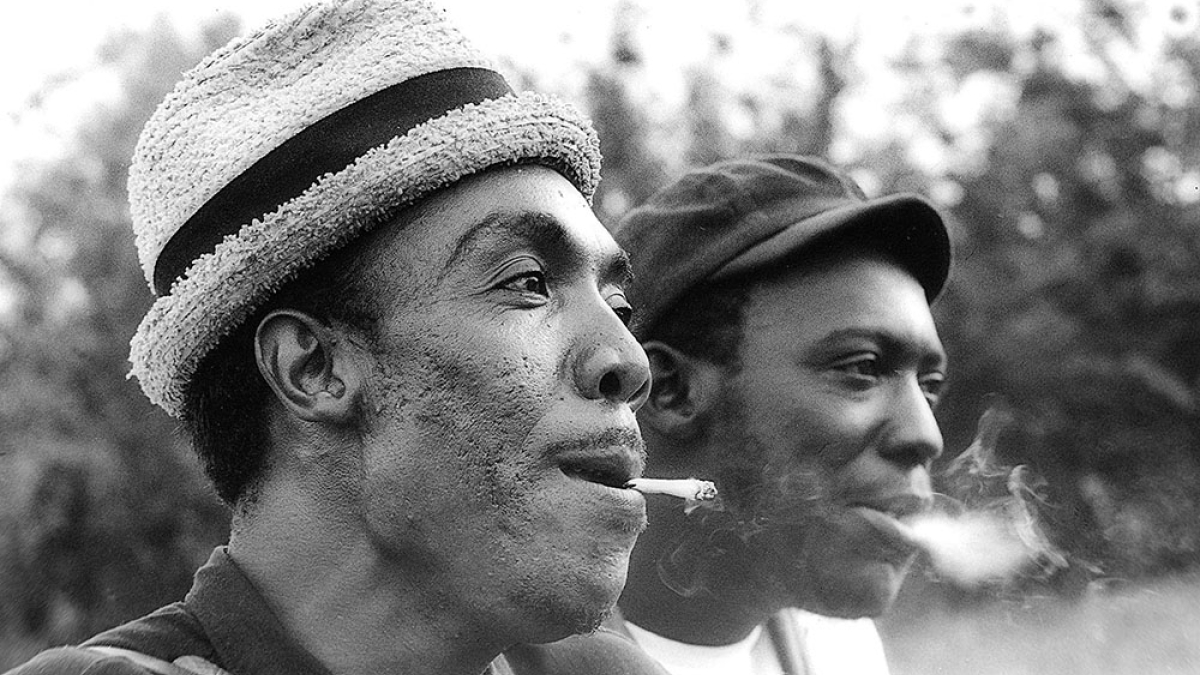
Thus, I have no exciting stories to tell of getting arrested, being beaten by the police, and I certainly was not a "leader" of anything. So, what did I do? I listened. Recently I uploaded a series of photographs I took in a black church in Charleston, South Carolina. What those photographs could not convey was the pain I heard that night in the singing of those women, a pain that went beyond their individual lives and extended back to the lives of those Africans who had been deposited on the dock at Charleston over the centuries. I participated in informal gatherings with John Lewis, Diane Nash, and others about whether non-violence was only a political tactic or a way of life that was at the core of one's ethics. I listened to the stories of black people from around the South who came to workshops at Highlander to share their stories of struggle and and hope. When I moved to New York City in 1961 and lived in Harlem, I heard the raging despair in the anger of the black nationalist speakers on 125th Street who expressed a hatred of white people I found frightening.
I listened, and what I heard found its first expression in music. I'd gotten involved with folk music during my semester at San Diego State College in the spring of 1959 where I frequented coffeehouses and encountered folk music for the first time. Something about it appealed to me, and when I returned to
Nashville and Fisk for my senior year, I got a guitar and started teaching myself to play it. Meeting Guy Carawan the spring of 1960 and subsequently going to work at Highlander accelerated my learning by light years. I learned what came to be known as "freedom songs" which were frequently adaptations of spirituals from slavery, many of which I knew from my father or learned on my own from old books and recordings. They were the vehicle I needed to express the pain I had absorbed from "listening."
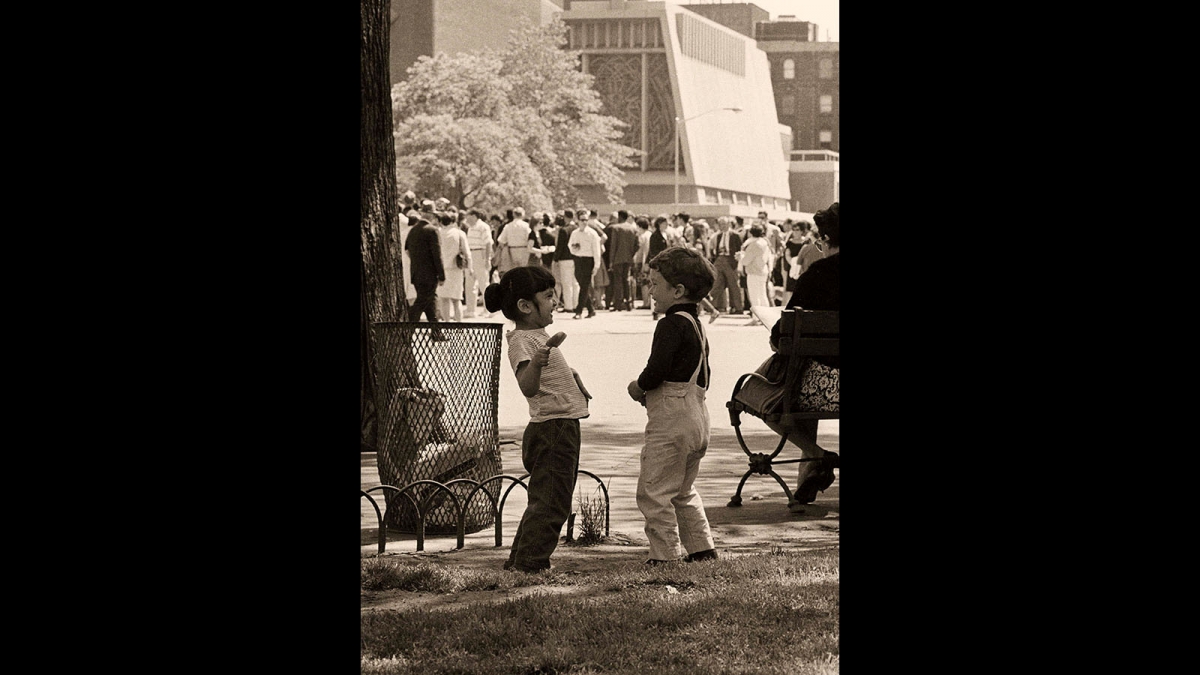
I was 25 in this photograph of me with children at a Freedom School in Hattiesburgh, Mississippi, in July, 1964, where I sought to reintroduce songs that had originated in the black south and had been forgotten.
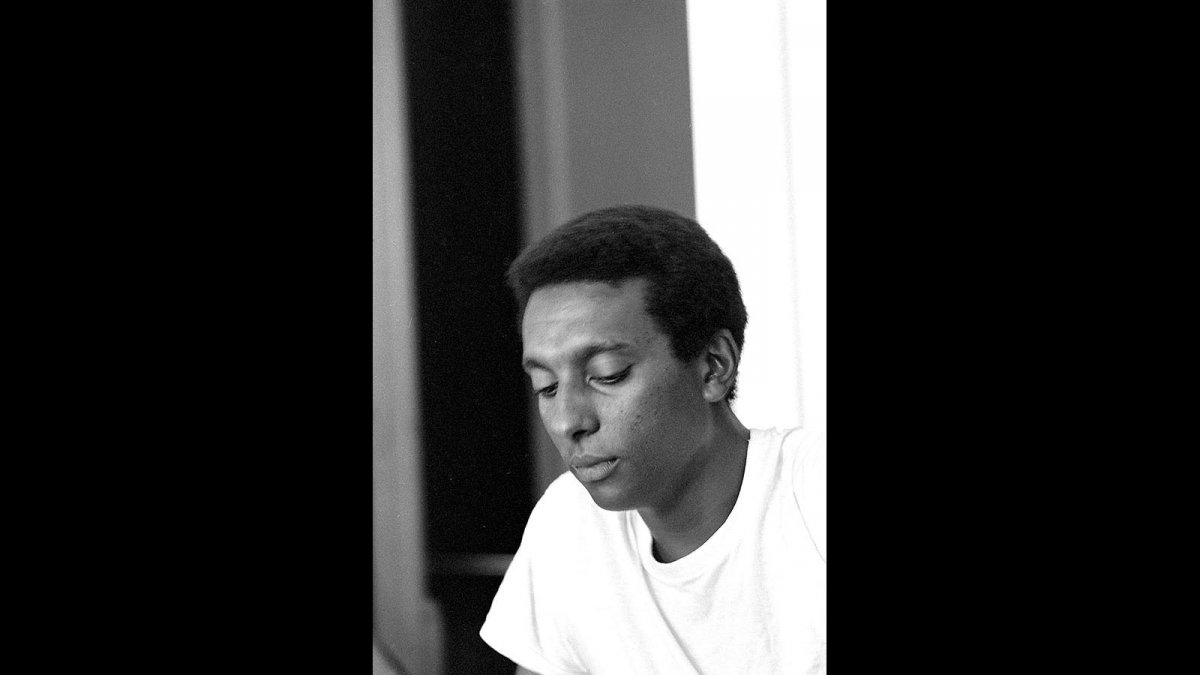
I was 27 in this headshot taken by Charlie Cobb, one of my closest friends in SNCC, the summer of 1966 soon after I started working full time as a photographer for SNCC.
The third photograph was taken the same year at The Lovin' Spoonful, a coffeehouse in Atlanta started by Ruth Howard, a member of SNCC. I performed there regularly for a period of time.
The decision I made to go south was one of the more frightening ones I'd made to that point in my young life. Not only did I carry enormous guilt for leaving my wife and leaving her with two children, I could not explain what I was doing or why I was doing it. I certainly did not start out planning to take all the photographs I ended up taking.
All I knew was that I had to go if I was going to be true to myself, if I was going to live from the inchoate promptings of my soul. And yes, it was incredibly selfish. And yes, other people were deeply hurt. And sometimes, sadly, regrettably, that's just how it is.
And speaking of spiritual courage and being afraid, please do not think it is not frightening to reveal myself like this publicly, to open myself up to having my life criticized by anyone hiding behind the anonymity the internet provides. I've read this over several times and thought about not uploading it. And having decided to do so, I don't know why I'm doing so. But often we can't know the why. For all I know, the person for whom these words will have the most meaning has not even been born.
If you feel you want to comment, please keep in mind these words of the Dalai Lama: "Be kind, and one can always be kind."