Home >
Exhibits > Photographs of the Black South (1966-1969) by Julius Lester Part A & B
Photographs of the Black South (1966-1969) by Julius Lester Part A & B
Jul 11, 2023 - Sep 27, 2023 | Themes: Photo Journalism
These are the historic images now on exhibit and SALE at The Floyd Gallery.
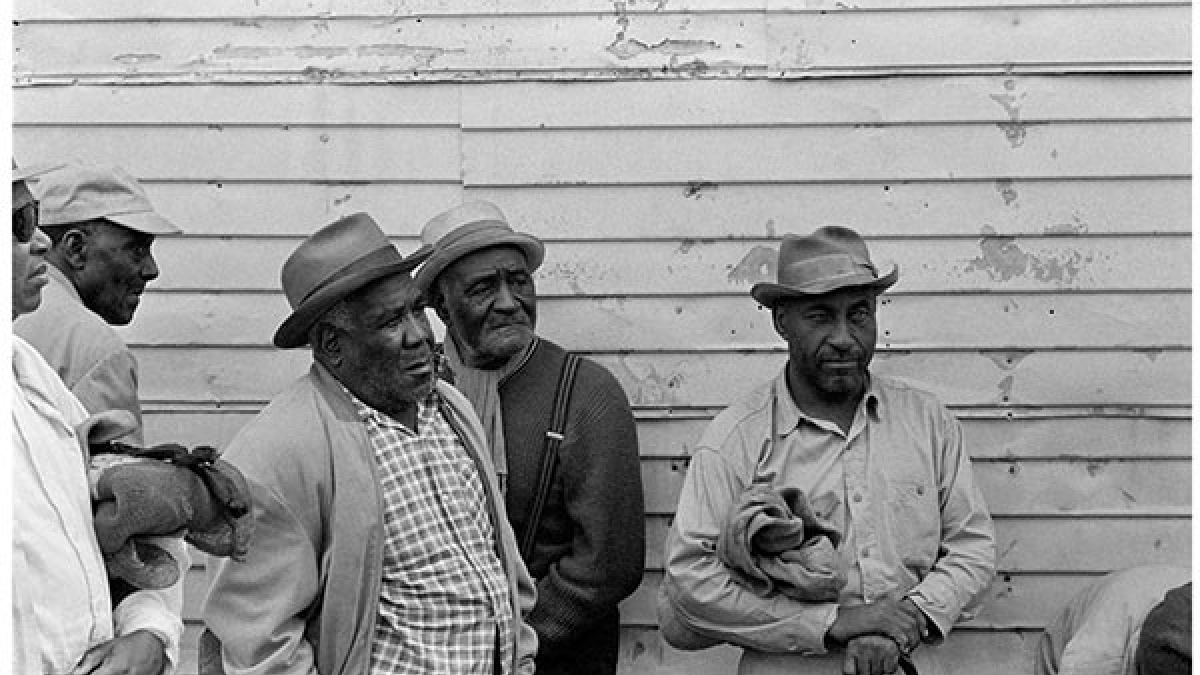
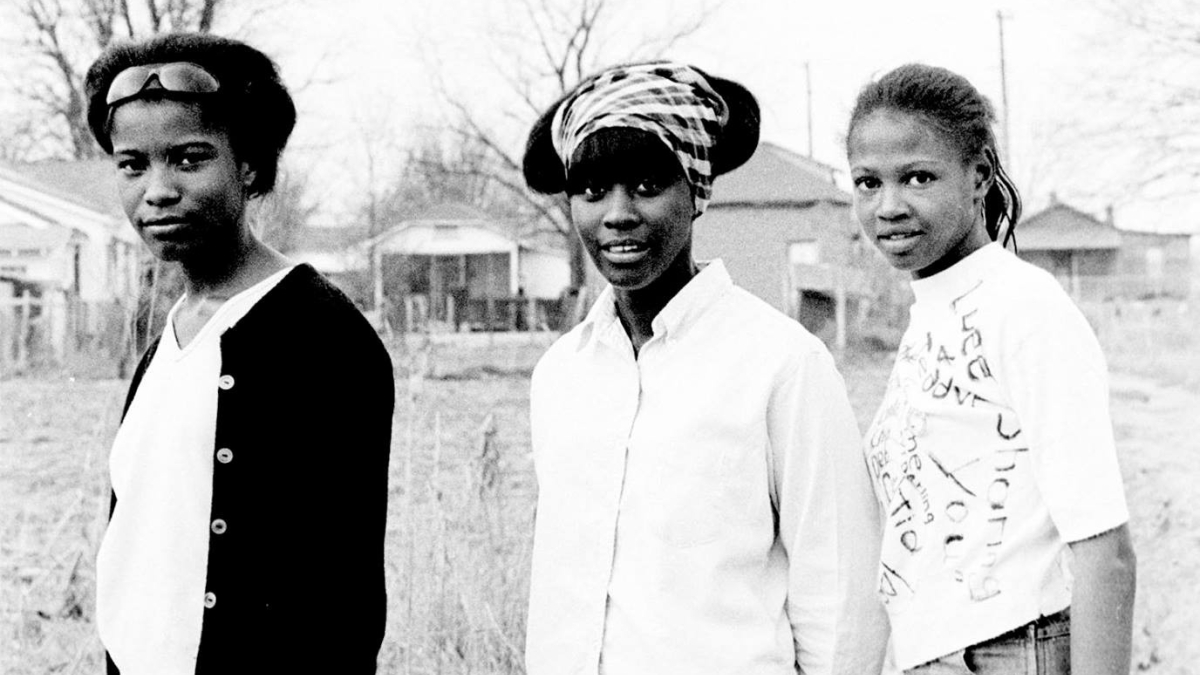
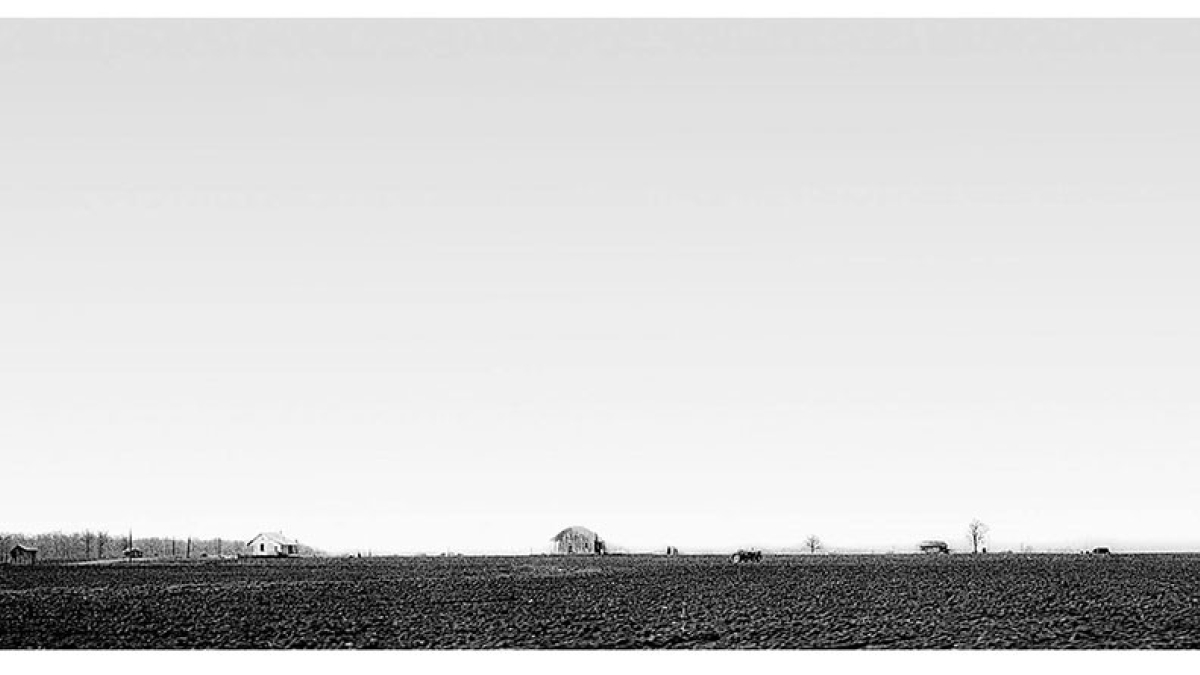
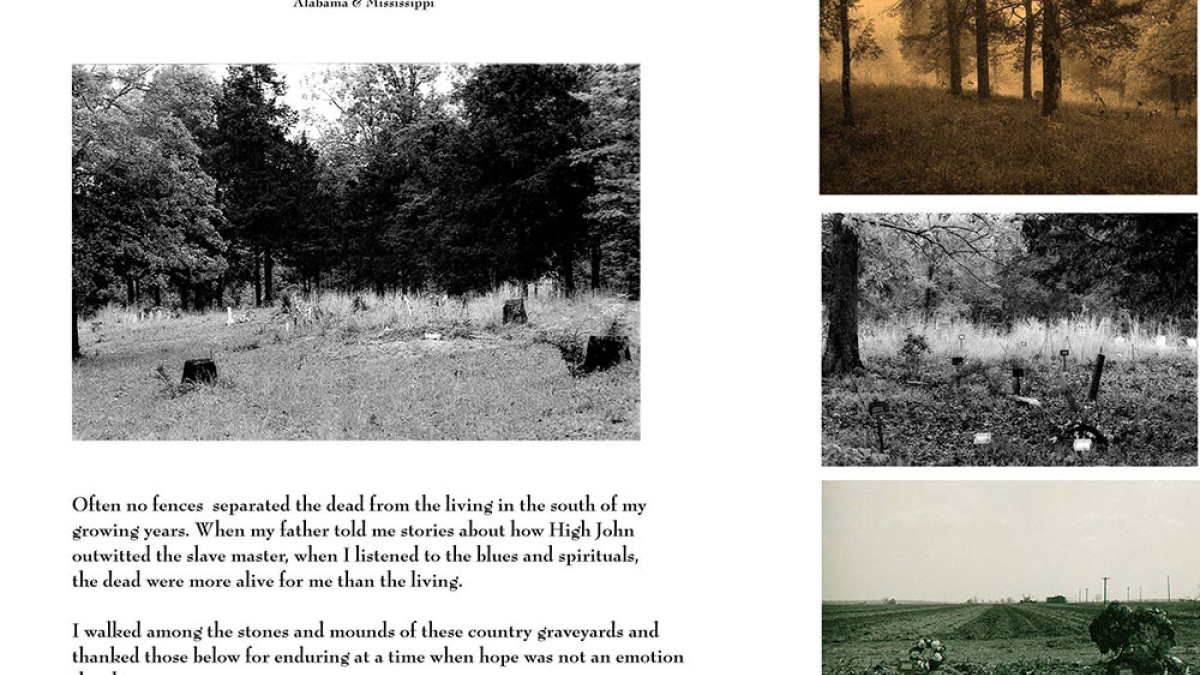
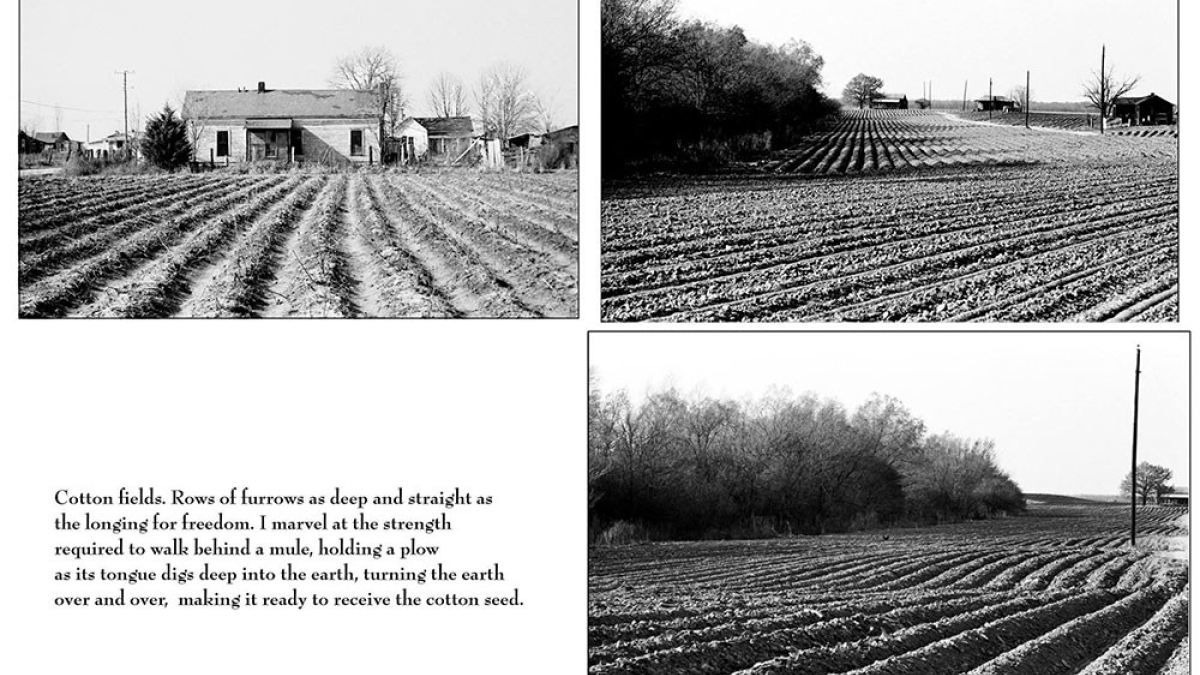
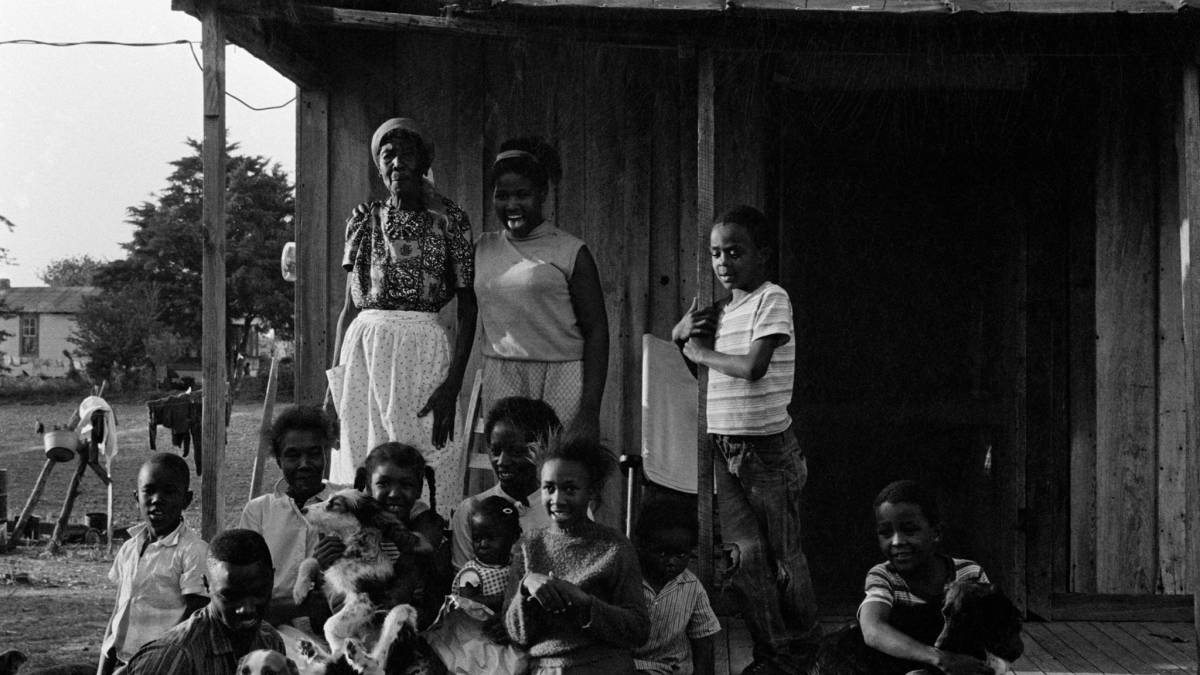
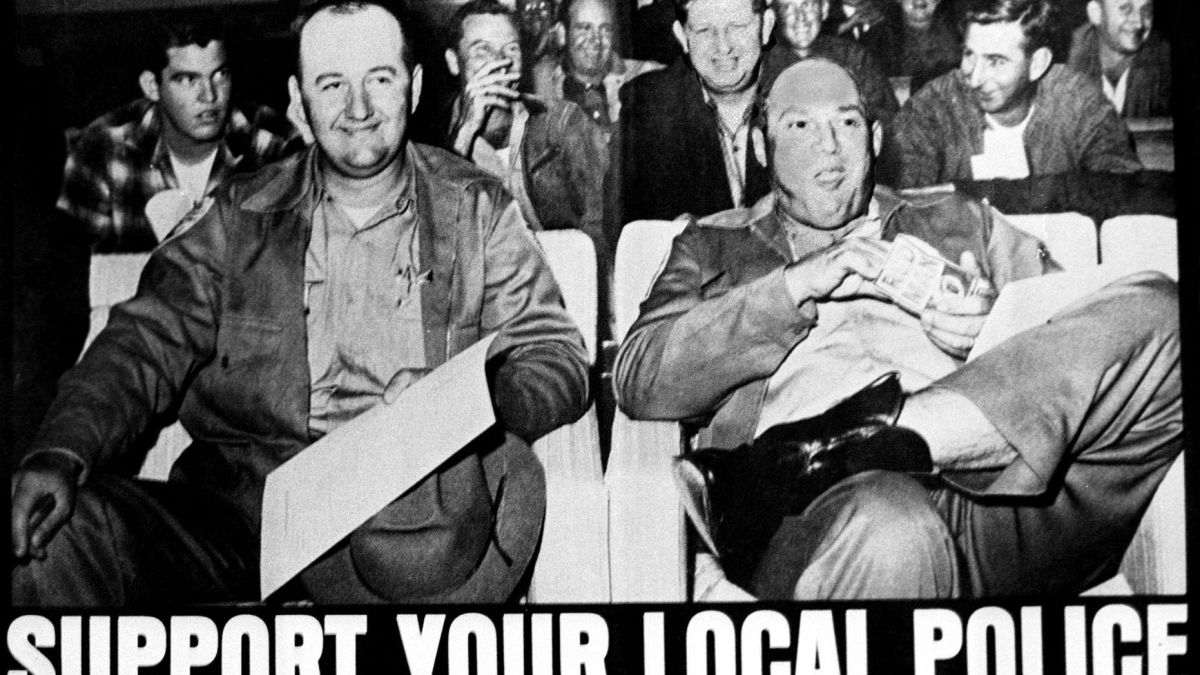
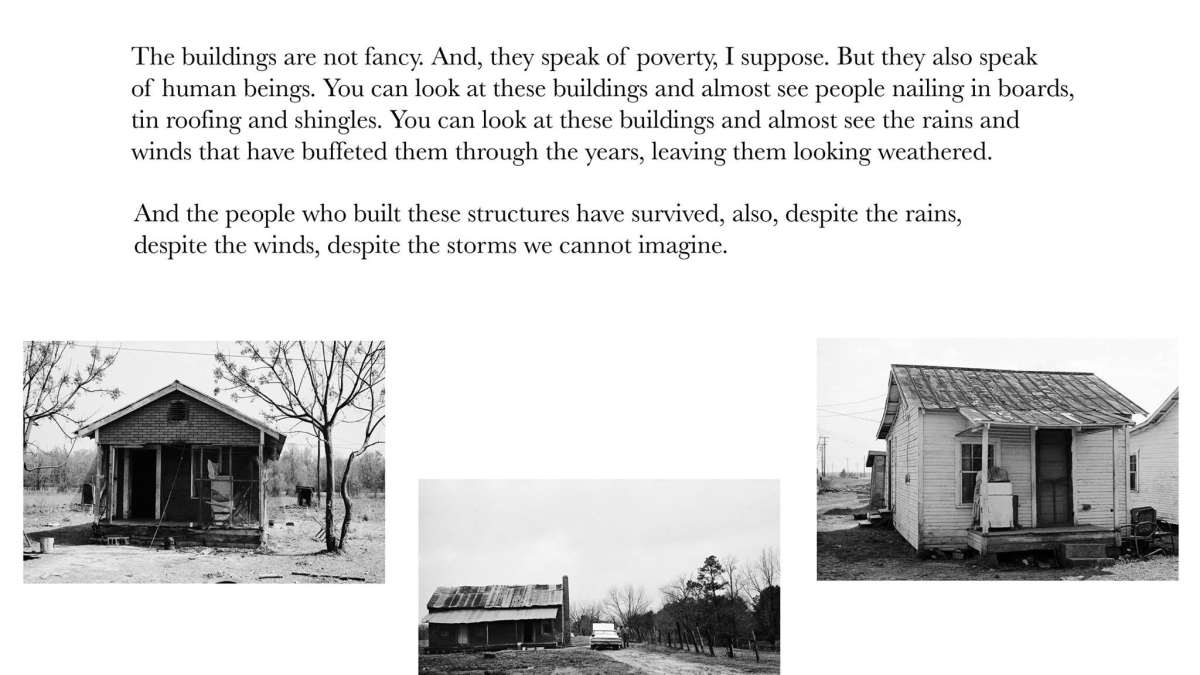
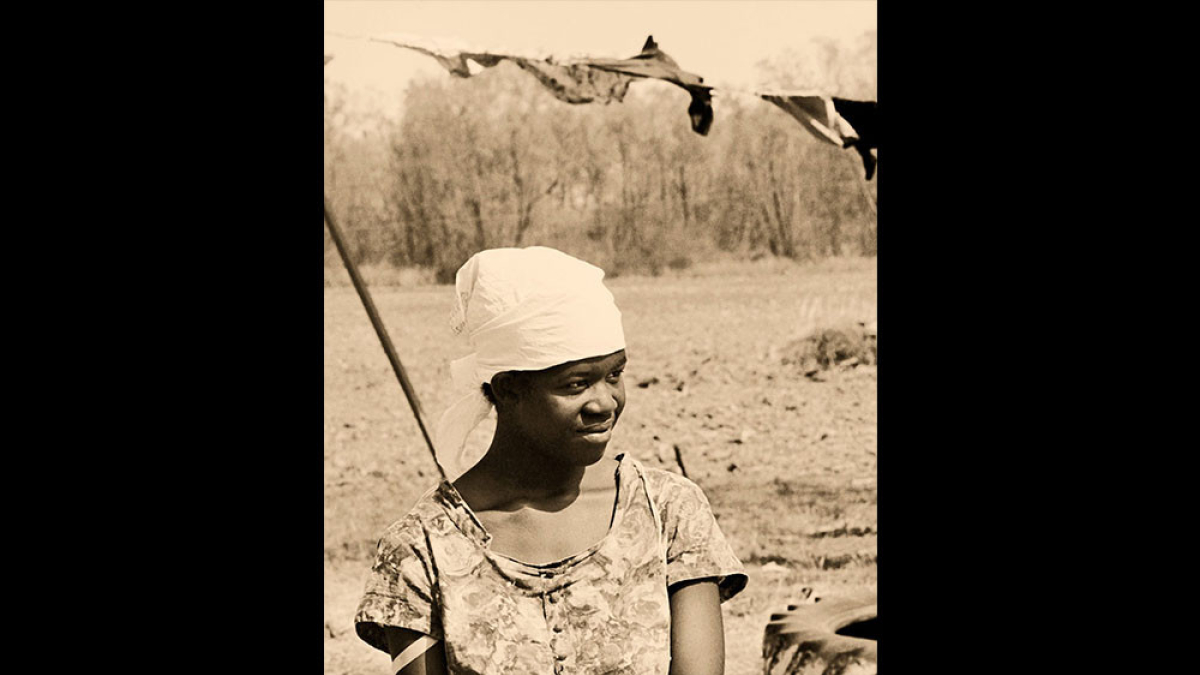
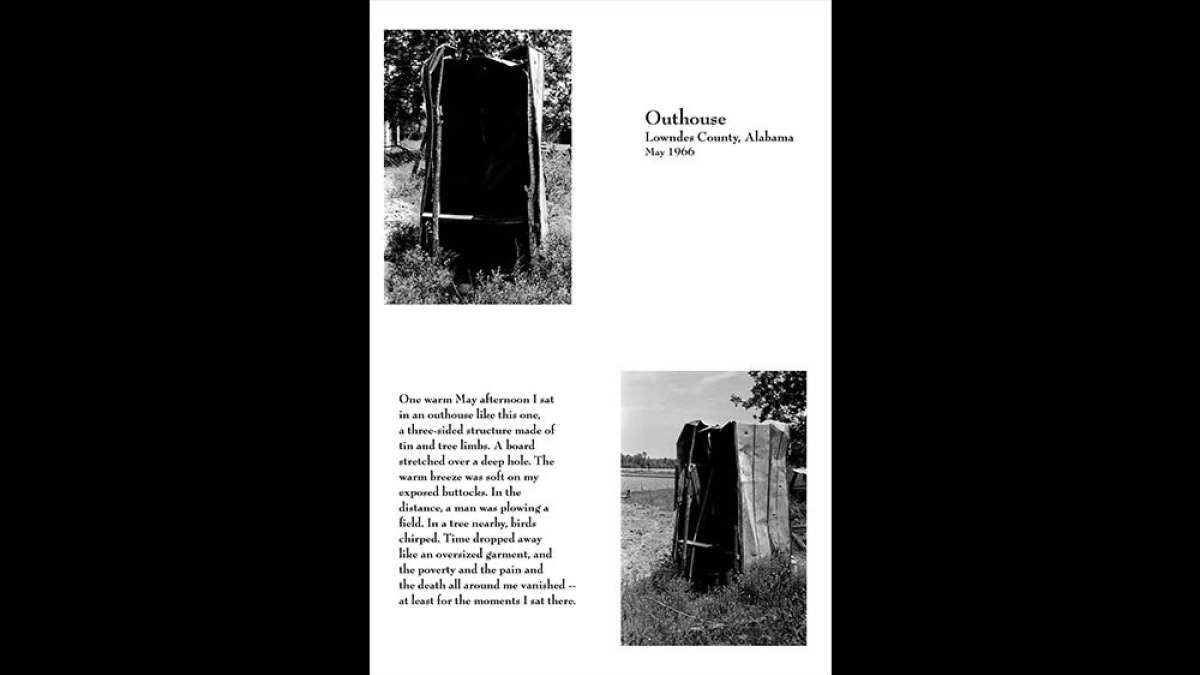
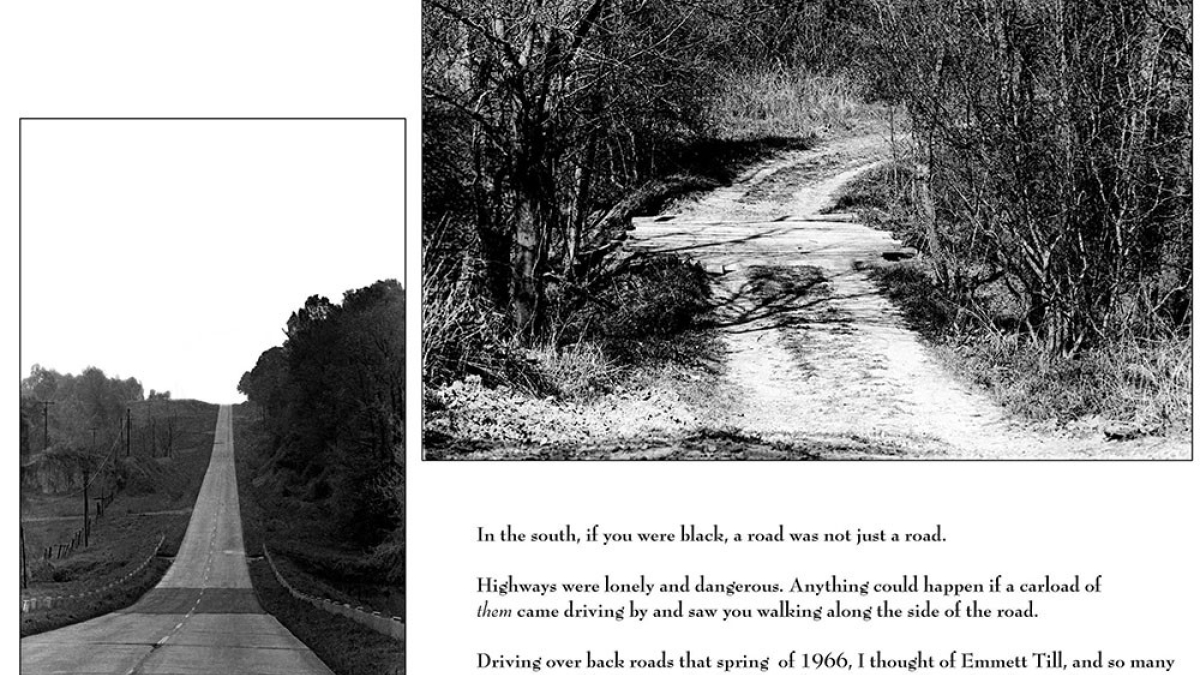
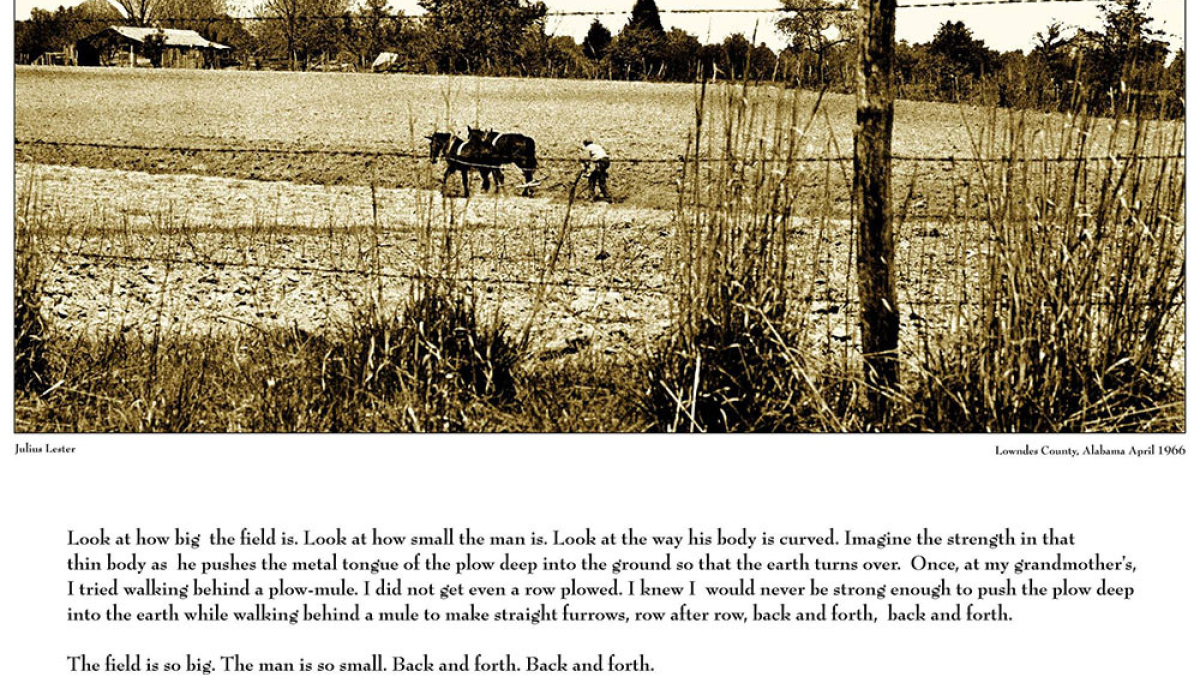
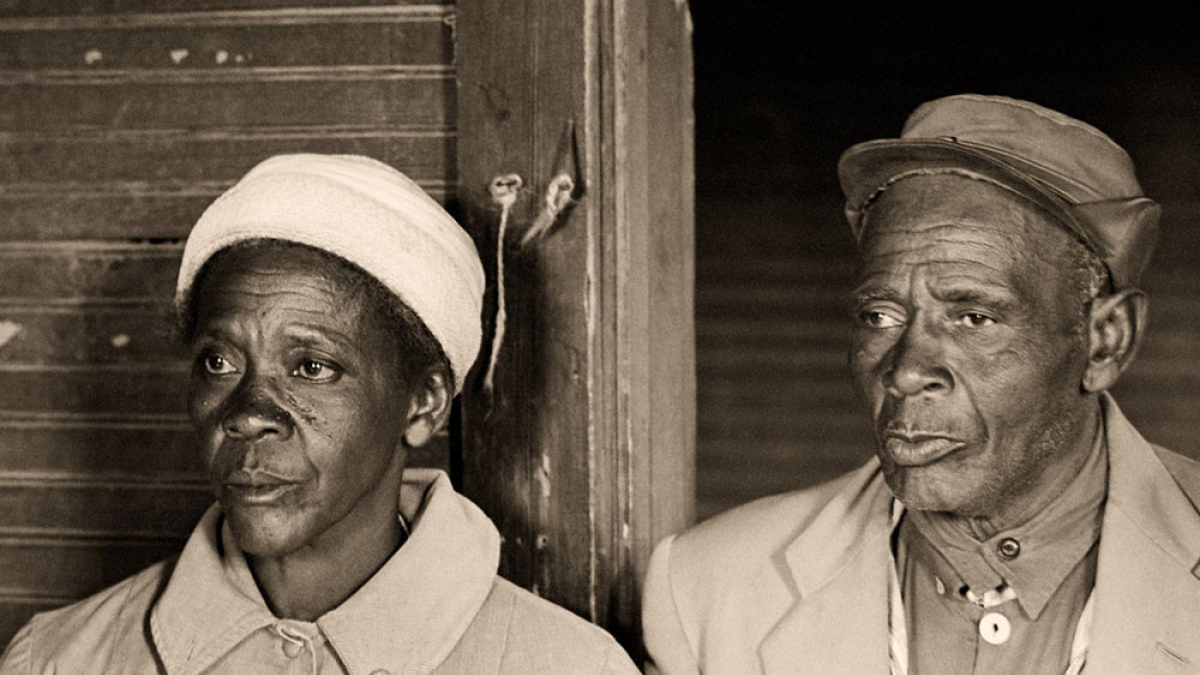
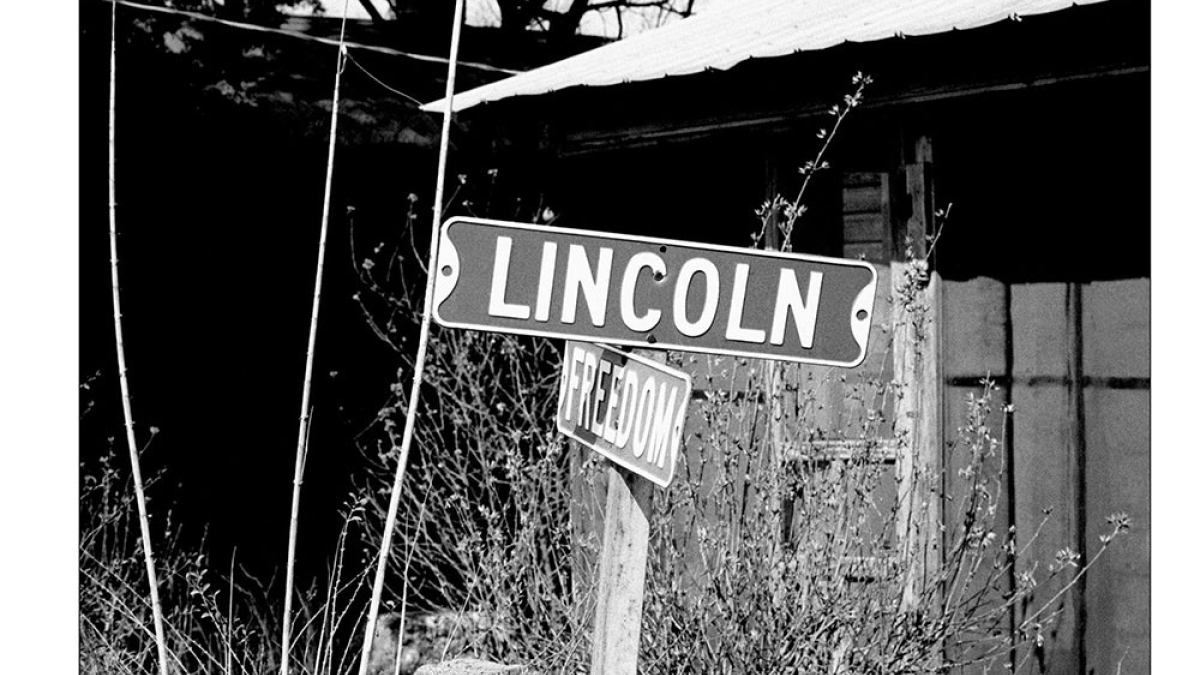
SNCC sent Julius Lester to capture images of the Black South. Julius Lester made these images of the Black South in 1966 and 1967. Until now, they were NOT for sale. The family has released them to The Floyd Gallery for viewing and sale.
Our September exhibit have 14 artwork not exhibited here in August.
Each image is one of a kind. They were custom-printed by Julius on 13" X 18" photographic paper. Each custom print is matted and framed in an 18" X 24" metal frame. These historic artwork are only $475 plus MA Sales Tax. We 100% guarantee satisfaction. Call or text us now at 413-529-2635 or email at floyd@floydgallery.com.
~~~~~~~~~~
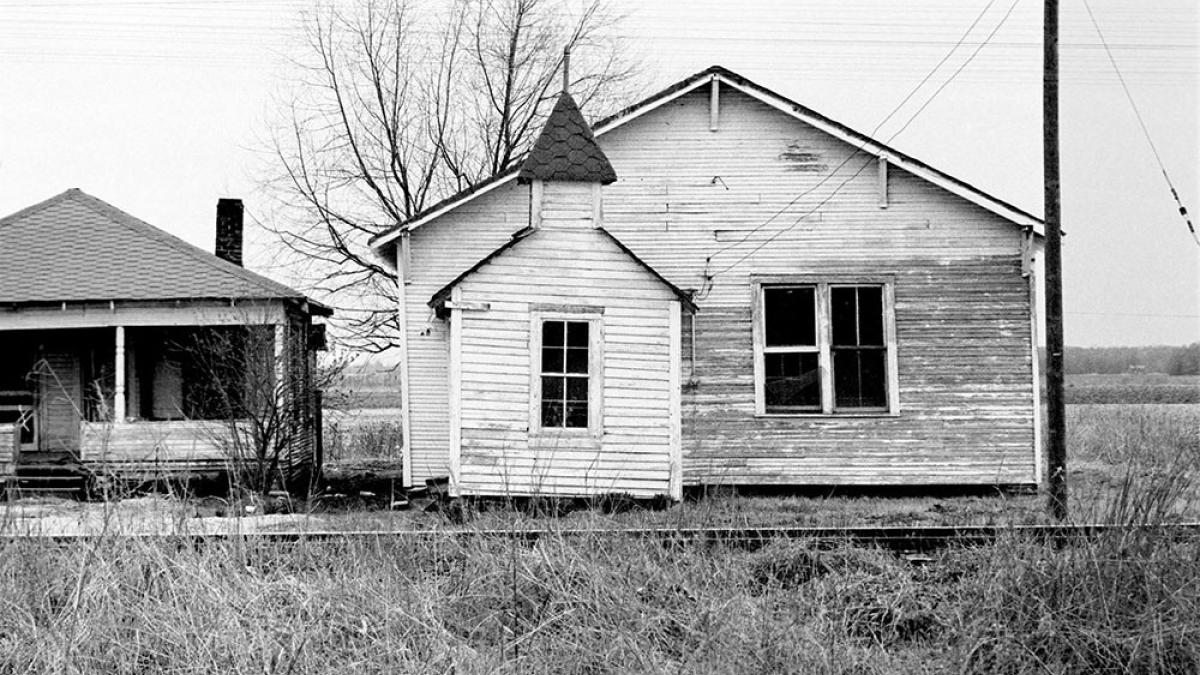
I've been wondering why I took these photographs of abandoned cars and homes, and now this church. I came across a definition that went to the beating heart of the experience of abandonment -- to forsake utterly.
Despite what a photograph may purport to be about, I think photographs are autobiographies. When we take pictures that are not for the sake of memory (family and the like), we are seeing something of ourselves, and are seeking to make visible something that is alive but unconscious within us.
It did not take me long to remember why I was drawn visually to that which was utterly forsaken.
At family gatherings, my mother loved to tell the story of how, when I was an infant, she would put me on the back porch and close the door because I cried so much, and she didn't want to hear me, and she would add how my brother would beg her to take me back to the hospital because I cried too much, and all this was related with much glee and laughter.
Let me hasten to add that I spent a number of years in Jungian therapy and worked through the pain of this, wept copiously, got righteously angry, and luxuriated in self-pity. Please resist any temptation to tell me how sorry you are, that you understand, etc. etc. I am not in need of any words and do not want your empathy, sympathy, etc., nor do I want anyone to pass judgment on my mother or brother. I've done that.
What interests me is how this wound wanted to be known in 1966 when I took these pictures, and how it wants to be known and shared now in 2016. Could it be that our wounds do not want to be wholly healed in therapy sessions where we go into the pain and anger, the shame and humiliation that, also, burns us?
There is the archetypal figure known as The Wounded Healer who finds in his wound his humanity, and in that wound lies the energy that reaches out to wounded humanity. Even more, one begins to see beauty in the wounds because the wounded learn how to survive and in that arduous process they can acquire the twisted and graceful ecstasy of a bonsai tree, or the battered ruggedness of stony shores at Big Sur or along the coast of Maine, because the wounded have learned what it is to endure and prevail.
The hard truth is that we all carry wounds, and sometimes when I hear Donald Trump shouting that we have become weak, that we must be strong, that he hates losers, and that we have become a nation of losers, I am overcome with sorrow for the wounds he must carry within himself, wounds of such magnitude that he is afraid he will be destroyed if he were to remove the cataracts hiding them from his vision. And so, he projects those wounds onto us and would destroy us rather than correct his vision.
But more and more people are beginning to look at how this nation has put Native Americans, blacks, women, and so many others on the back porch and closed the door because it did not want to hear our cries. But more and more Americans are willing to willing to tend their own wounds instead of projecting them onto others.
And that is the challenge within each family - by taking responsibility for one's wounds, we do not project the pain of our wounds onto our children or spouses. Instead, we reshape our wounds until they become embraces that comfort, and where once we may have seen weakness, we now see beauty, battered, but never again, utterly forsaken._Julius Lester, September 6, 2016